研究計畫|FireHealth
消防員職場健康促進研究計畫
多國語言智慧型手機程式應用於消防員職場健康促進:集群隨機分派臨床試驗研究。
本頁是研究計畫的說明,內容僅供參考,不能取代專業醫療建議;身體狀況請諮詢醫師。
下載研究用 App
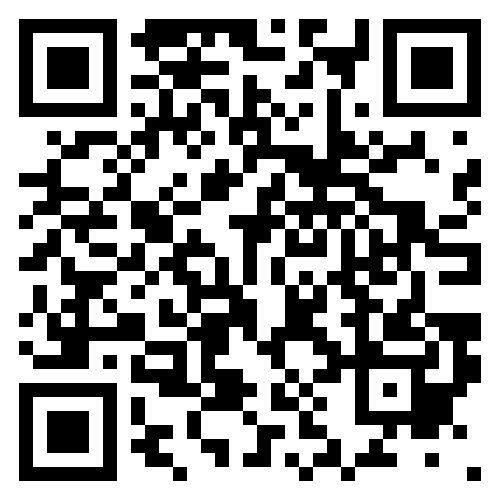
支援 iOS 與 Android,目前都是 Beta 版本,使用上遇到問題歡迎回報。
iOS 版本
Android 版本
掃描 QR Code 或點按鈕即可下載。
研究單位資訊
| 項目 | 內容 |
|---|---|
| 執行單位 | 國立陽明交通大學衛生福利研究所 |
| 協助單位 | 國立成功大學醫學院附設醫院、臺南市政府消防局 |
| 經費來源 | 國家科學及技術委員會 |
| 計畫主持人 | 藍凡耘 助理教授 |
| 共(協)同主持人 | 林志豪 教授 |
計畫摘要
研究目標
- 調查臺灣消防員的飲食、運動、睡眠、菸酒與檳榔等生活習慣。
- 研究臺灣消防員的生活型態與身體、心理健康之間的相關性。
- 將哈佛醫學院開發的消防員健康促進手機 App 同步中文化。
- 在我國進行消防員健康促進 App 的集群隨機分派臨床試驗,研究這項 App 介入對消防員健康的影響。
為什麼重要
消防員是維持社會運作不可或缺的工作者。文獻指出,心血管疾病、癌症與心理疾病是消防員主要的健康問題,但消防員的職場環境並不利於維持健康行為,這是不分國界的公共衛生課題。本計畫希望接軌臺灣與國際,改善臺美消防員的生活習慣,進而預防這些常見疾病。
研究方法
本計畫與臺南市政府消防局合作:
- 目標一:調整已開發的消防員 MEDI-Lifestyle Score 量表,據以調查臺灣消防員的生活習慣。
- 目標二:以橫斷性研究,調查 MEDI-Lifestyle Score 與臺灣消防員心血管健康指標、體能表現及心理健康的相關性。
- 目標三:哈佛醫學院正在研發消防員 Healthy Lifestyle(HLS)手機 App,本研究將其中文化後,在臺灣消防員中進行臨床隨機分派試驗。
- 目標四:與哈佛醫學院合作進行集群隨機分派臨床試驗(Cluster Randomized Controlled Trial),受試組下載使用 HLS App,對照組不使用,比較介入 3 個月後消防員的健康情形。
預期成果
預期發現臺灣消防員的生活型態中,飲食與睡眠習慣不佳;而分派到使用 HLS App 的組別,在介入 3 個月後會有較好的健康指標。
研究用平台由誰開發?
本計畫使用的健康管理平台,包含 Web、iOS 與 Android 三個版本,由火曜領航開發。開發歷程、系統架構與時間線整理在 FireHealth 技術說明。
常見問題
這個研究計畫在做什麼?
調查臺灣消防員的飲食、運動、睡眠與菸酒檳榔等生活習慣,研究它們和身心健康的關係,並把哈佛醫學院開發的消防員健康 App 中文化,用集群隨機分派試驗檢驗 App 介入 3 個月的效果。
研究由哪些單位執行?
由國立陽明交通大學衛生福利研究所執行,國立成功大學醫學院附設醫院與臺南市政府消防局協助,經費來自國家科學及技術委員會。
研究用的 App 怎麼下載?
iOS 版透過 TestFlight 安裝,Android 版提供下載連結,兩者都在本頁的「下載研究用 App」區,也可以直接掃 QR Code。
這個 App 可以取代醫療建議嗎?
不行。App 與本頁都是研究計畫的一部分,只提供健康促進相關資訊,身體狀況請諮詢專業醫師。
Project Title (English)
A Multi-language Smartphone-based Healthy Lifestyle Intervention for Firefighters: A Cluster Randomized Controlled Trial
Purpose and Aims
- To investigate lifestyle characteristics, such as diet, physical activity, sleep, smoking and drinking patterns, of firefighters in Taiwan.
- To investigate the association between firefighters’ lifestyle characteristics and their physical/mental health conditions.
- To develop a Mandarin version of the firefighters’ healthy lifestyle (HLS) smartphone-based App, which is under development at the Cambridge Health Alliance, Harvard Medical School.
- To test the effects of the HLS App intervention among firefighters by conducting a cluster randomized controlled trial.
Significance
Firefighters provide services that are essential to the safety of communities. Previous studies have demonstrated that cardiovascular diseases (CVDs), cancer, and psychological illnesses are prevalent among this important working population, and an HLS can protect them from these health adversities. However, it is generally challenging for firefighters to maintain an HLS due to their working environment. Therefore, in this project, we aim to promote an HLS and subsequently prevent chronic non-communicable diseases among firefighters through an international collaboration.
Methods
The study population will be firefighters in Tainan, in collaboration with the Tainan City Fire Bureau. Aim 1: Using the established firefighters’ MEDI-Lifestyle Score to investigate lifestyle characteristics among Taiwan’s firefighters. The score will be adapted to include lifestyle considerations that are relevant to firefighters in Taiwan (e.g., consumption of betel nuts). Aim 2: Cross-sectionally investigating the association between Taiwan’s firefighters’ MEDI-Lifestyle Score and their cardiovascular health outcomes (e.g., blood pressure), body composition, physical fitness performance, and mental health. Aim 3: We will translate the firefighters’ HLS mobile App into Mandarin. Funded by the U.S. Federal Emergency Management Agency, the App (English version) is currently under development at the Cambridge Health Alliance, Harvard Medical School. Further clinical trial will be conducted for the Mandarin version among firefighters in Taiwan. Aim 4: Firefighters will be randomized to receive the smartphone-based HLS intervention or usual care for 3 months. Data on health/fitness outcomes described in Aim 2 will be collected at 3 months after intervention, and a comparison between treatment group and control group will be made.
Anticipated Outcomes
Like US firefighters, firefighters in Taiwan have suboptimal dietary and sleeping lifestyle patterns. The modified MEDI-Lifestyle Score will be validated and can be used among firefighters in Taiwan to measure their lifestyle characteristics. The Mandarin version of the firefighters’ HLS mobile App will be developed. Compared to usual care, the 3-month smartphone-based HLS intervention will improve firefighters’ mental and physical health conditions.
最後更新: